The 2026 Shandur Polo Festival opens in grand style — but it is a gesture of extraordinary sportsmanship that steals the headlines on day one
SHANDUR: At 3,700 metres above sea level, where the air is thin and the sky feels close enough to touch, the thunder of hooves returned to Shandur on Wednesday as the annual Shandur Polo Festival 2026 kicked off in a blaze of colour, music, and mountain pageantry.
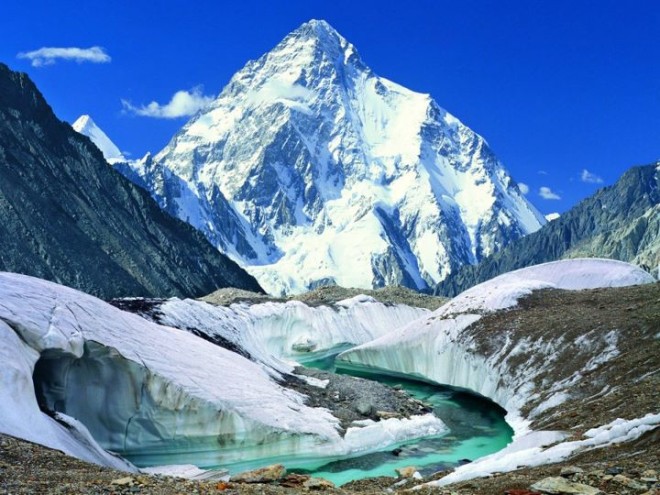
Thousands of spectators — locals, tourists, polo devotees, and cultural performers drawn from across Pakistan and beyond — converged on the legendary Shandur Polo Ground to witness the opening of a three-day celebration that is as much a cultural pilgrimage as it is a sporting contest. Against the towering silhouette of the Hindukush, the festival announced itself with the full force of tradition.
The inaugural ceremony set the tone for what lies ahead. Folk musicians played, dancers performed, and the hills echoed with the kind of festivity that only Shandur can produce. Senior government officials, local dignitaries, and tourism stakeholders gathered for the opening, lending institutional weight to an event that has long transcended its origins as a regional polo match. The presence of visitors from across Pakistan and abroad served as a reminder that Shandur is no longer merely a highland tradition — it has become a national landmark on the cultural calendar.
The Matches Begin
When play finally commenced, it did so with considerable force. In the opening match of the festival, Laspur Polo Team produced a commanding display against Ghizer, running out winners by an emphatic 9 goals to 0. The margin left no room for ambiguity — Laspur arrived prepared, and their dominance set an early, high-intensity standard for the days ahead.
The second match produced a more competitive contest. Yasin Polo Team defeated Mastuj by 8 goals to 4 in a fixture that swung between physical intensity and moments of real skill. On paper, the result belonged to Yasin. But the moment that will be remembered long after the scoreline is forgotten had nothing to do with goals.
A Horse, a Gesture, and a Lesson in Brotherhood
The day before the match, Mastuj player Saeed-ur-Rehman had suffered a heartbreaking blow. His horse — his partner on the field — died after a fall, leaving him without the means to compete. At a festival where horses are not simply equipment but extensions of the rider’s spirit, the loss was deeply felt.
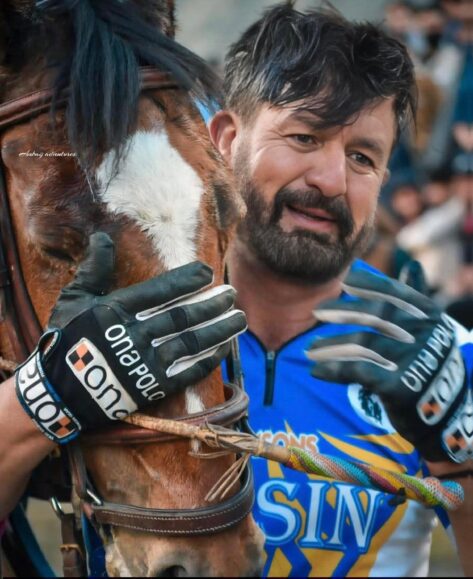
When Yasin and Mastuj rode out for their match the following day, Yasin team captain Raja Azam Khan did something that stopped the ground in its tracks. Without fanfare or calculation, he offered his own horse to Saeed-ur-Rehman so that the Mastuj player could take part in the game. Then, having made that offer, Raja Azam Khan voluntarily stepped off the field and sat out the entire match.
It was, by any measure, an act of remarkable grace — a captain surrendering his place in a competitive fixture so that an opponent could play.
What followed only deepened the moment. The Mastuj captain, moved by what he had witnessed, chose to withdraw from the match as well, standing down as a mark of respect and solidarity. Two captains, from opposing teams, both absent from the field — not through injury or suspension, but by choice, in honour of something they collectively understood to be greater than the result.
The crowd responded with genuine emotion. Spectators and participants alike offered widespread appreciation for the exchange, and word of what had happened spread quickly through the camping grounds and beyond. In an age when competitive sport is increasingly defined by the pursuit of marginal advantages, the gesture felt almost startlingly rare.
More Than a Tournament
At the heart of the festival is, of course, the game itself. Polo at Shandur is not the manicured, rule-bound affair of international circuits. Played under freestyle rules passed down through generations, it is raw, instinctive, and electrifying — earning its title as the “King of Games” with every galloping charge across the ground. The grand fixture anchoring the festival remains the fiercely contested clash between teams representing Gilgit-Baltistan and Chitral, a rivalry steeped in pride and history. With the grand final still to come, both sides will be sharpening their ambitions.
Beyond the competition, Shandur offers something rarer: the sense of arriving somewhere genuinely extraordinary. Visitors who made the journey — many along winding mountain roads that test patience and nerve — were welcomed by lush green meadows, crisp mountain air, and a sprawling camping village that has grown into a festival town of its own. Stalls and exhibitions offered local handicrafts, traditional cuisine, and a living window into the cultural heritage of Gilgit-Baltistan and Chitral.
For tourism officials, the festival carries significance beyond the celebration itself. It is seen as a vital engine for economic activity in a region where the tourism season is short and the opportunities hard-won. Shandur has steadily established itself as one of Pakistan’s premier destinations, and each successive festival deepens that standing. Expectations for both domestic and international visitor numbers remain high throughout the three days.
What makes Shandur endure — and draw people back year after year — is the irreplaceable combination of altitude, athletics, and culture. There is no other polo ground like it on earth, and no other festival quite like the one it hosts. But if the opening day of the 2026 edition offered any early lesson, it is one that the mountains here seem to have always known: that the most enduring victories are not always measured in goals.
Sometimes, they are measured in the quiet decision to hand over your horse and walk off the field.
— GB Tribune