Young First-Time Candidate Aman Ali Stuns Political Veterans in Yasin
GILGIT-BALTISTAN: In a stunning electoral upset, independent candidate Aman Ali emerged victorious from GBA-21 (Yasin), defeating two seasoned political stalwarts in the Gilgit-Baltistan Assembly Elections 2026. A total of 20 candidates contested the seat, making it one of the most competitive constituencies in the region.
Aman Ali secured 9,938 votes, comfortably outpacing PPP’s Muhammad Ayub Shah, who finished second with 6,643 votes, while PML-N’s Ghulam Muhammad came third with 5,564 votes.
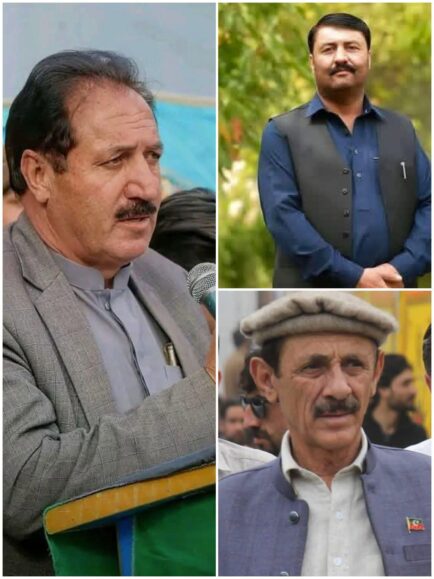
The 35-year-old first-time contestant’s victory is particularly remarkable given the political weight of his opponents. Ghulam Muhammad is one of Yasin’s most enduring political figures, having first entered electoral politics in 1991 when he himself caused an upset by defeating the influential Pir of Yasin, Shehzada Fazal Hassan Shah, as an independent candidate. He went on to win four times — in 1991, 2001 (by-election), 2004, and 2020 — and also served as a member of the GB Council. Originally affiliated with PPP, he switched to PML-N in 2009.
His rival on the ballot, PPP’s Muhammad Ayub Shah, is equally battle-hardened. Shah entered electoral politics in 2004 but narrowly lost to Ghulam Muhammad. He bounced back in 2009, winning the seat as an independent before joining PPP — effectively replacing Ghulam Muhammad in the party.
Among other notable candidates was PTI-backed independent Raja Jahanzaib, who polled 937 votes. Jahanzaib is no stranger to GB politics — he won the GBA-21 seat in 2015 and served on the opposition benches during the PML-N government in Gilgit-Baltistan. His family carries significant political influence in Yasin; his elder brother had won the same seat in 1999 but later resigned after being appointed as a judge of the Chief Court of Gilgit-Baltistan.
Against this backdrop of decades-long political rivalries and influential family dynasties, Aman Ali’s victory appears all the more extraordinary. The 35-year-old invested nearly five years in grassroots campaigning, built community goodwill through financial support during natural disasters, and rode strong family backing — his brother runs a successful jewellery business — to unseat the veterans convincingly.
The result reflects a broader trend across Gilgit-Baltistan, where voters have increasingly rewarded independent candidates who demonstrate long-term community commitment over established political figures and entrenched family dynasties.