Prince Rahim’s visit reinforces commitment to development and pluralism
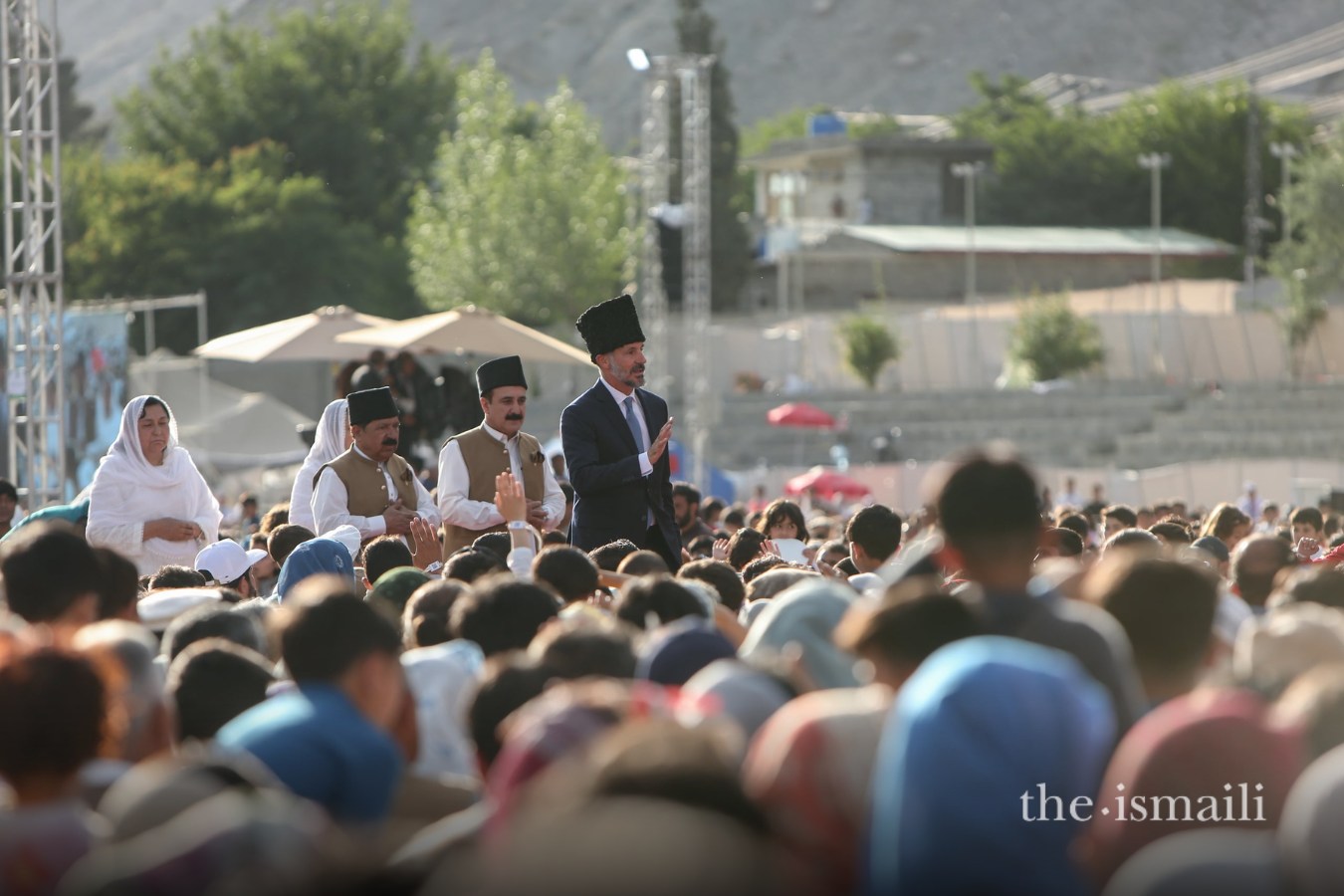
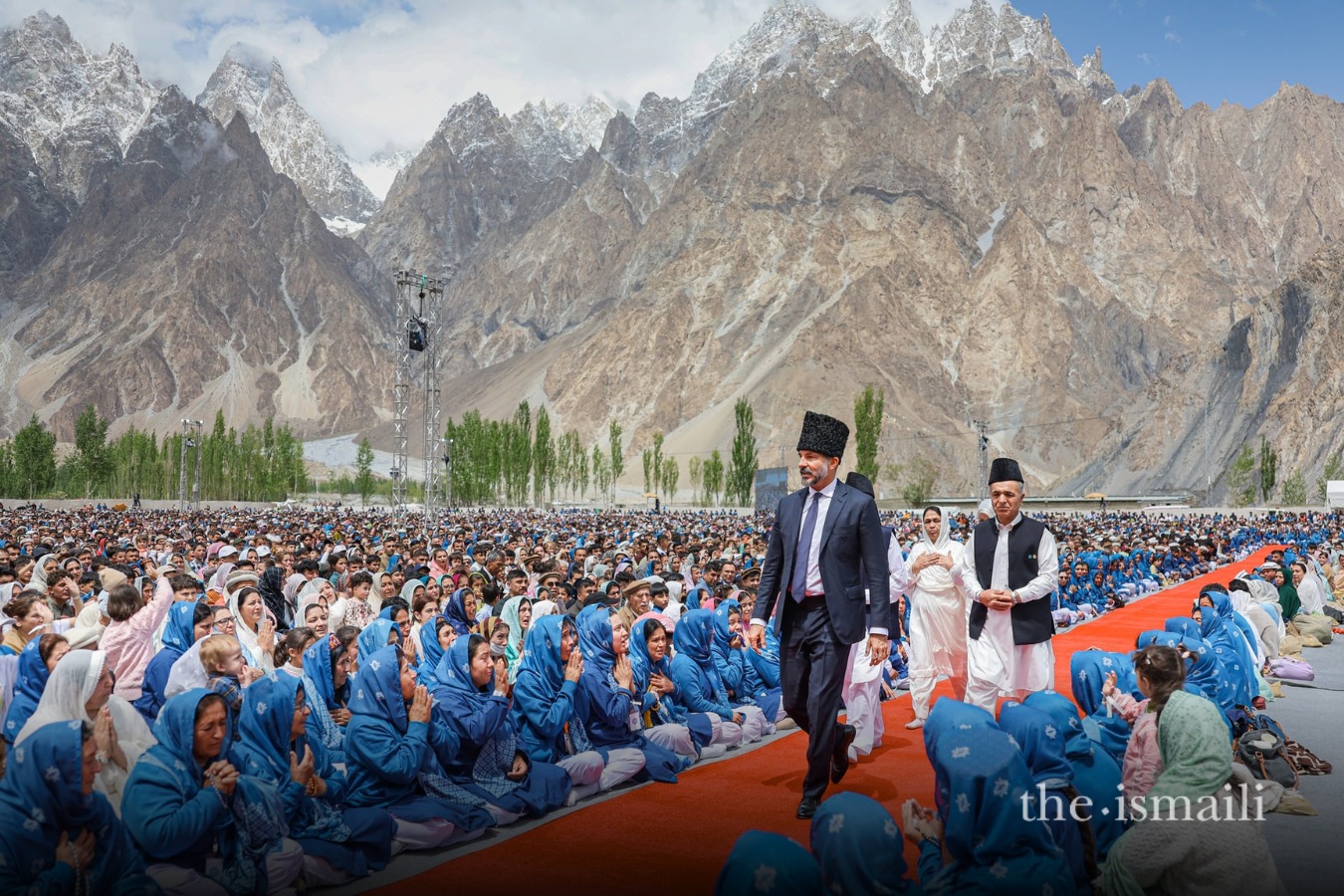
Gilgit-Baltistan witnessed an extraordinary display of devotion and celebration during the recent visit of His Highness Prince Rahim Al-Hussaini Aga Khan V, the 50th hereditary Imam of the Shia Imami Ismaili Muslims. The three-day visit, his first to the region since assuming the Imamat, drew hundreds of thousands of followers from Gilgit, Hunza, Gojal, Ghizer, Gahkuch, and Chitral, where he granted didar and addressed gatherings of the Ismaili community.
The visit was marked by an atmosphere of spiritual devotion, cultural celebration, and interfaith harmony. Thousands travelled across mountainous terrain to receive didar and listen to the Imam’s guidance on unity, education, service, and community development. During the visit, Prince Rahim also met senior government officials, civil administration representatives, and community leaders, reaffirming the longstanding partnership between the Ismaili Imamat and the people of Pakistan.
The institution of the Ismaili Imamat traces its origins to the succession of Imam Ali and continues through an unbroken line of hereditary Imams. The Ismaili tradition emerged in the eighth century and later established one of the most influential Muslim dynasties, the Fatimid Caliphate, which ruled large parts of North Africa, Egypt, and the Middle East from 909 to 1171 CE. The Fatimids founded Cairo and the renowned Al-Azhar institution, contributing significantly to science, philosophy, architecture, and learning.
Following the decline of the Fatimid state, Ismaili communities migrated to Persia (modern-day Iran), where the Imams continued to guide their followers. Over subsequent centuries, Ismaili communities gradually spread to Central Asia and the Indian subcontinent. In the nineteenth century, Aga Khan I settled in South Asia, laying the foundations for the modern institutions of the Ismaili community.
Under the leadership of Aga Khan III and Aga Khan IV, the Imamat expanded its focus on social and economic development. This vision led to the creation of the Aga Khan Development Network (AKDN), one of the world’s largest private development organizations, operating in areas including health, education, rural development, culture, climate resilience, and economic growth.
A key component of this vision is the Aga Khan Fund for Economic Development (AKFED), which promotes entrepreneurship, sustainable business, financial inclusion, renewable energy, and private-sector investment in developing regions.
In Gilgit-Baltistan, AKDN institutions have played a transformative role over the past four decades. The Aga Khan Rural Support Programme (AKRSP) pioneered community-based development, helping construct irrigation channels, roads, hydropower projects, and village organizations. Today, AKRSP is advancing digital connectivity, renewable energy initiatives, climate resilience programs, and youth entrepreneurship across the region.
AKDN institutions have also established schools, higher secondary schools, teacher-training centres, health facilities, and professional development programmes. The Aga Khan University’s educational initiatives and medical services continue to improve learning outcomes and healthcare access in remote mountain communities.
More recently, AKDN has intensified support for disaster recovery following devastating floods in Gilgit-Baltistan. Its agencies are repairing schools, restoring water systems, strengthening healthcare facilities, establishing emergency response teams, and supporting climate-resilient infrastructure.
Looking ahead, Prince Rahim Aga Khan has emphasized sustainable development, environmental stewardship, renewable energy, digital transformation, and economic opportunity as key priorities. Recent initiatives, including solar power projects, technology parks, microfinance expansion, and climate adaptation programmes, reflect a future-focused strategy aimed at empowering local communities while preserving the region’s unique cultural and natural heritage.
For the people of Gilgit-Baltistan, Prince Rahim Aga Khan’s visit was not only a deeply spiritual occasion but also a reaffirmation of a century-long partnership dedicated to human development, pluralism, and the pursuit of a better quality of life for future generations.