GILGIT: A power-sharing formula for government formation in Gilgit-Baltistan has been finalised between the Pakistan Peoples Party (PPP) and the Pakistan Muslim League-Nawaz (PML-N). Under the arrangement, the Chief Minister and Speaker will come from PPP, while the Governor and Deputy Speaker will go to PML-N.
The deal was struck following an unusually lengthy meeting between the leadership of both parties in Gilgit, after which a joint declaration was issued and a joint press conference held. Senior PPP leaders, including Nayyar Hussain Bukhari and Qamar Zaman Kaira, were present at the occasion.
Speaking at the press conference, PML-N Gilgit-Baltistan President Hafiz Hafeez ur Rehman confirmed that his party would support PPP in the election for Leader of the House — the Chief Ministership — and would also back the PPP candidate for Speaker. In return, the positions of Governor and Deputy Speaker would be allocated to PML-N in keeping with what he described as the “federal formula.”
PPP Gilgit-Baltistan President and Chief Minister candidate Amjad Hussain Advocate thanked PML-N for its support, adding that any decision regarding an alliance with the Istehkam-e-Pakistan Party (IPP) would rest with PPP Chairman Bilawal Bhutto Zardari.
An Unprecedented Opposition Arrangement?
While neither party’s leadership commented publicly on the position of Leader of the Opposition, sources indicate that this seat, too, was discussed during the meeting — and may also be handed to PML-N. If confirmed, it would mark a highly unusual arrangement in parliamentary history: a coalition partner simultaneously occupying both government and opposition benches.
A Season of Political Surprises
The recently concluded Gilgit-Baltistan elections have already produced a string of unexpected developments. Traditionally, whichever party holds power at the federal level also forms governments in both Gilgit-Baltistan and Azad Kashmir. This election broke that pattern for the first time, with a party outside the federal coalition emerging as the largest force in the assembly.
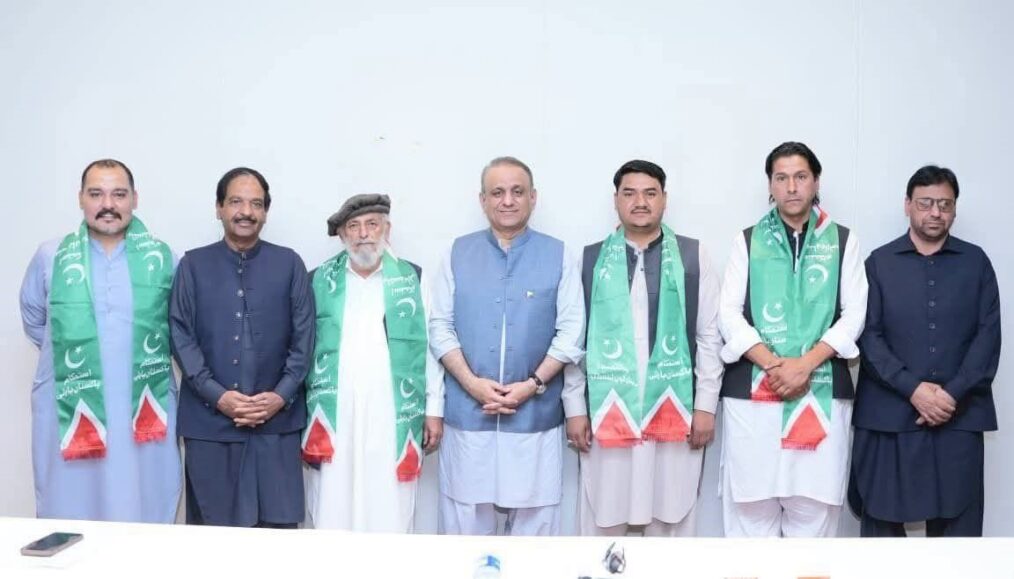
Further eyebrows were raised when four independent candidates travelled to Islamabad, met Federal Minister Aleem Khan, and subsequently joined the Istehkam-e-Pakistan Party — a party that had contested 15 seats in Gilgit-Baltistan without winning a single one.
A separate development from the Election Commission added to the intrigue. With the result of GBA-16 still withheld pending resolution of an electoral dispute, the Commission unexpectedly published a list of successful candidates on June 19 that included the winner of GBA-16 — recorded as having joined IPP. Notably, the names of two successful PPP candidates were absent from the same list.
It bears mention that the allocation of reserved seats for women and technocrats is calculated on the basis of the total number of successful candidates returned by each party — making the composition of that list consequential.
Should the Deputy Speaker and Leader of the Opposition posts indeed go to PML-N, it will add yet another chapter to what has already been a remarkable political moment for Gilgit-Baltistan. Where this series of surprises ultimately leads remains, for now, an open question.