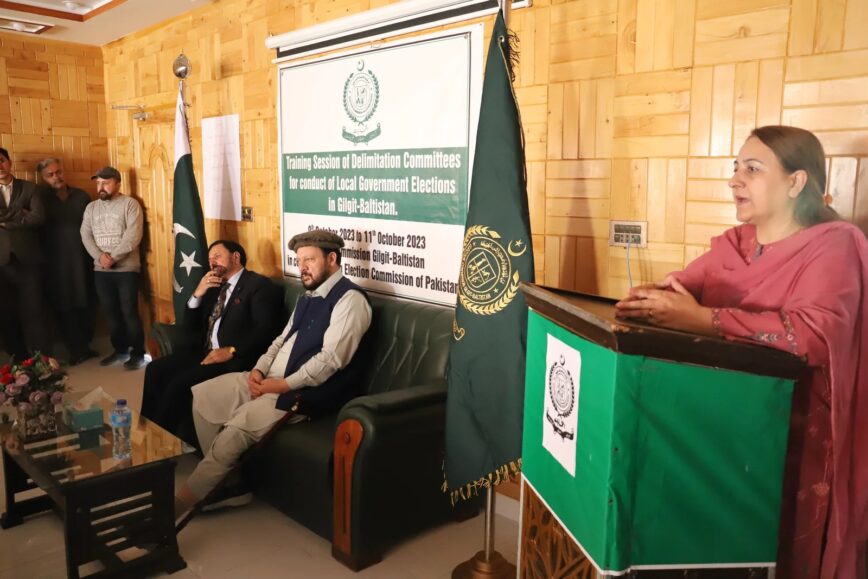
Senior leadership of the Pakistan Peoples Party (PPP) and the Istehkam-e-Pakistan Party (IPP) held formal consultations in Gilgit on Friday, marking a decisive moment in the post-election political process as both parties moved closer toward a coalition arrangement for the formation of the next government in Gilgit-Baltistan.
Senior Leaders at the Table
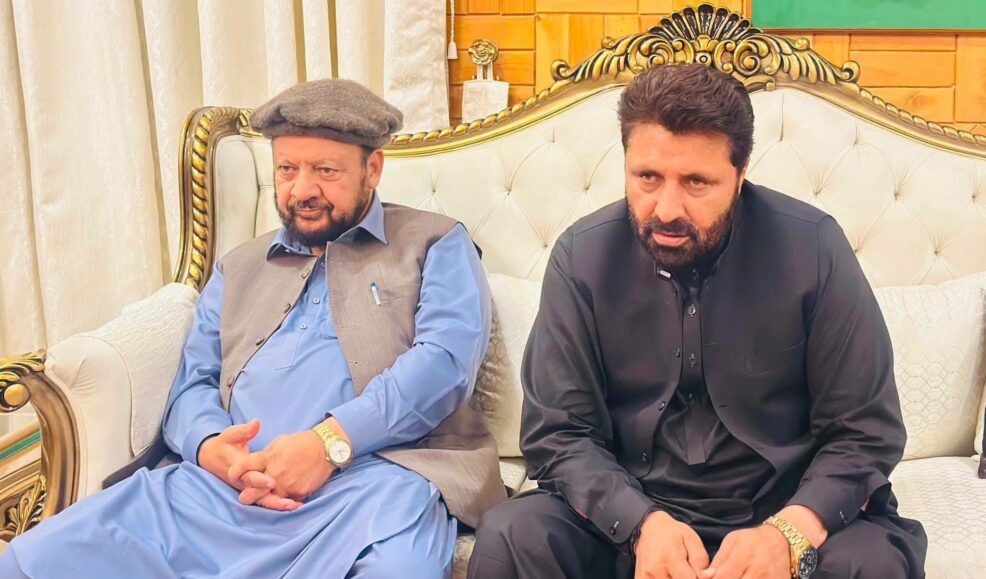
The meeting brought together some of the most prominent figures from both parties. PPP Secretary General Nayar Hussain Bukhari, veteran politician Qamar Zaman Kaira, and Amjad Hussain Advocate received the IPP delegation on behalf of the PPP. The IPP was represented by its Secretary General Khalid Mahmood, Provincial President Haji Gulbar Khan, Raja Jalal Maqpoon, and Fatahullah Khan — a delegation senior enough to underscore the party’s determination to secure a meaningful role in the forthcoming government.
Broad Agenda, Constructive Outcome
According to a joint statement issued after the meeting, both sides reviewed key political and administrative matters, with government formation featuring as the central item on the agenda. The leaders agreed to strengthen coordination and maintain regular contacts as negotiations move toward their decisive stages.
“Government formation through a political and democratic process would be a positive development,” the joint statement declared — a formulation widely interpreted as signalling that both parties are aligned on pursuing a structured, consensus-based coalition rather than a rushed political settlement. Both sides also emphasised that progress built on understanding is essential for securing a stable political future for the people of Gilgit-Baltistan, and confirmed that consultations between the two parties would continue in the days ahead.
A Hung Assembly Sets the Stage
The backdrop to these talks is the June 17, 2026 Gilgit-Baltistan Legislative Assembly elections, which produced a hung assembly with no single party securing an outright majority. The PPP emerged as the largest party with 11 seats, followed by the PML-N with 6, while the Majlis Wahdat-e-Muslimeen and a PTI-backed candidate each claimed 1 seat. Four independent candidates also won their respective constituencies. The result for GBA-16 Diamer remains pending due to an unresolved dispute over the counting of postal ballots, leaving the final seat tally incomplete.
With no party holding a clear majority in the 24-seat assembly, coalition arithmetic has become the defining feature of Gilgit-Baltistan’s post-election landscape, making the outcome of inter-party negotiations the key determinant of who governs the region.
IPP’s Remarkable Post-Election Turnaround
Perhaps the most striking subplot of the post-election period has been the IPP’s dramatic political reversal. The party had fielded 15 candidates across the region, with Federal Minister for Communications Aleem Khan personally camping in Gilgit-Baltistan to lead an extensive, high-profile campaign. Despite this considerable investment, not a single IPP candidate won a seat on election day — a bruising outcome by any measure.
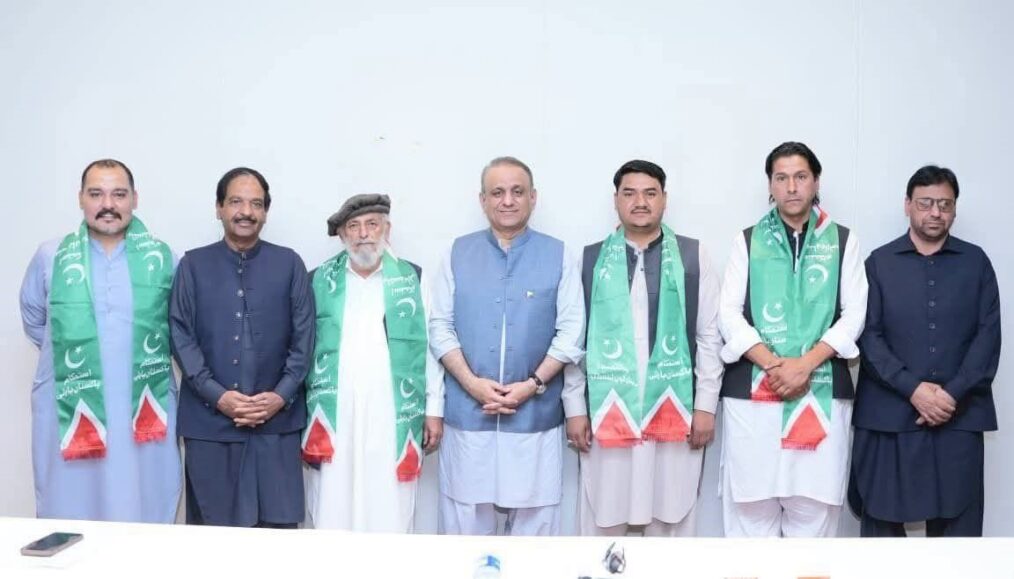
However, the party wasted little time in recalibrating its position. The four victorious independent candidates were brought to Islamabad, where they met with Aleem Khan and subsequently announced their decision to join the IPP. This post-election realignment instantly transformed the IPP from a party with zero assembly representation to one commanding a bloc of four seats — achieved not through the ballot box, but through the kind of political engineering that has become a familiar feature of Pakistani politics.
As a result, the IPP now holds a meaningful stake in the assembly and is widely expected to secure ministerial positions in the coalition government that is taking shape.
Road Ahead
A PPP-IPP coalition would combine 11 and 4 seats respectively, yielding a total of 15 — enough for a comfortable majority and a stable basis for governance. Political observers in Gilgit-Baltistan are now anticipating a formal agreement between the two parties in the coming days, after which attention will turn to the appointment of a Chief Minister and the swearing-in of a new cabinet. The outcome of these negotiations will largely define the political direction of Gilgit-Baltistan for the years ahead.