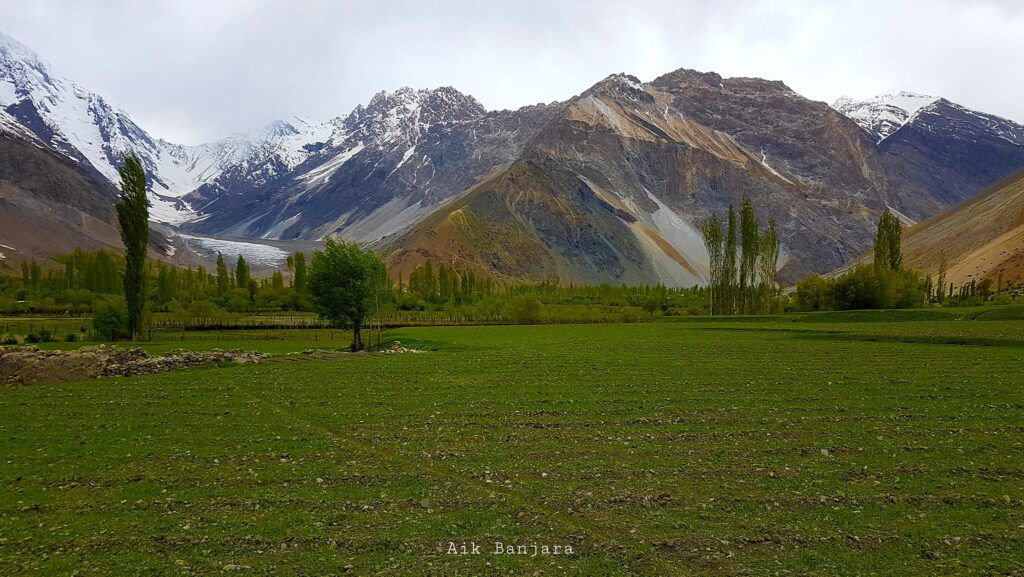

Gilgit-Baltistan, Pakistan — With its towering peaks, serene valleys, and rich cultural heritage, Gilgit-Baltistan remains one of Pakistan’s most sought-after travel destinations. But the region’s remote terrain and unpredictable weather mean that even well-intentioned travelers can run into avoidable trouble. From skipping local registration to underestimating harsh weather, here are the top 10 mistakes visitors should steer clear of for a safe and respectful journey.
1. Skipping Registration with Local Authorities
Before heading into remote parts of Gilgit-Baltistan, travelers should register with local authorities. This simple step helps ensure faster emergency response and rescue coordination if something goes wrong, while also demonstrating respect for local regulations and responsible tourism practices.
2. Driving at Night on Mountain Roads
Gilgit-Baltistan’s narrow, winding mountain roads are demanding even in daylight — and considerably more dangerous after dark. Poor lighting, limited signage, sharp turns, and the risk of landslides make nighttime driving especially hazardous for first-time visitors. Travel is safest when planned during daylight hours.
3. Camping Near Streams and Rivers During Monsoon
Monsoon rains and glacial runoff can cause streams and rivers to rise suddenly, turning a calm campsite into a flash-flood zone with little warning. Campers should choose elevated, dry ground and stay updated on weather conditions before pitching a tent near any water source.
4. Cooking in Open Spaces Instead of Hiring Local Vendors
Open-flame cooking carries wildfire risk, can attract wildlife, and may be culturally inappropriate in certain areas. Hiring a local food vendor is the safer — and more supportive — choice, offering authentic meals prepared by people who know the terrain and ingredients best.
5. Leaving Garbage Behind After Camping
Littering damages the region’s pristine landscapes and shows disregard for local communities and wildlife. Travelers should carry trash bags, pack out everything they bring in, and follow Leave No Trace principles to help preserve the area for future visitors.
6. Cutting Branches from Fruit Trees
Fruit trees across the region are often privately owned and serve as a source of income for local families. Rather than picking fruit directly from trees, travelers should ask permission or buy produce from local markets — a small gesture that supports the community and protects the environment.
7. Giving Money Directly to Local Children
While well-meaning, handing out cash to children can inadvertently encourage begging and disrupt community dynamics. A more sustainable way to help is by supporting reputable local organizations working on education and community development.
8. Packing Inadequately for Harsh Weather
Weather in Gilgit-Baltistan can shift dramatically, even in summer, with sudden temperature drops, strong winds, and heavy rain. Travelers should pack proper layers, waterproof gear, and warm clothing to stay safe and comfortable through changing conditions.
9. Relying on ATMs for Cash
ATM access is limited across the region, and machines can run out of cash or lose connectivity. Carrying enough cash for food, transport, and accommodation — particularly in remote areas — helps avoid unnecessary inconvenience.
10. Disregarding Local Customs
Gilgit-Baltistan’s cultural traditions shape daily life, from dress codes to behavior at religious sites. Ignoring these customs can unintentionally offend residents and diminish the travel experience. Taking time to understand and respect local etiquette leads to more meaningful, positive interactions with the communities travelers visit.
The Takeaway
A trip to Gilgit-Baltistan offers some of Pakistan’s most spectacular scenery, but preparation and cultural awareness are key to enjoying it safely and responsibly. Avoiding these common mistakes helps ensure a smoother journey — and a more respectful one for the communities that call this mountainous region home.
Also read:
Ultimate Travel Guide to Gilgit-Baltistan: Everything You Need to Know Before You Go