
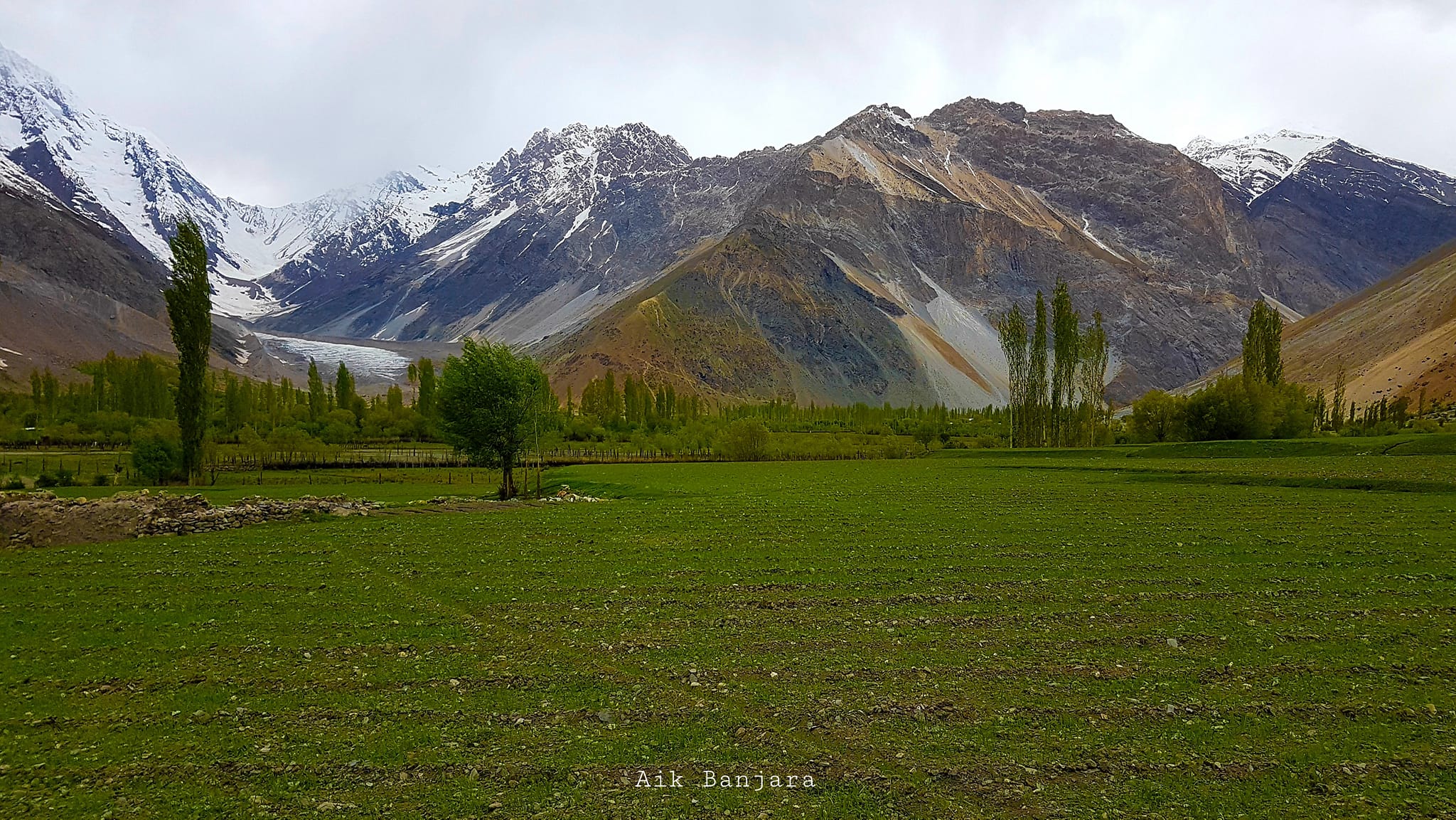
Gilgit-Baltistan, Pakistan — From the snow-capped giants of the Karakoram to the turquoise waters of Attabad Lake, Gilgit-Baltistan continues to draw travelers from across the country and around the world. Nestled in the northernmost reaches of Pakistan, the region blends towering peaks, centuries-old forts, and warm mountain hospitality into one of South Asia’s most rewarding travel experiences. Whether you are planning your first trip north or returning for another season of adventure, here is a complete guide to help you travel smart, safe, and prepared. Must read this “Travel Guide to Gilgit-Baltistan” before planning your trip.
Planning Your Trip
Visa and Entry Requirements
International travelers need a valid Pakistani visa, and some routes into border-adjacent areas of Gilgit-Baltistan require additional permits. Travelers are advised to apply well ahead of their trip and confirm current requirements with their nearest Pakistani embassy or consulate.
When to Visit
The travel season runs from May through October, when mountain roads are clear and trekking routes reopen after winter. Spring and summer suit trekkers and nature lovers, while autumn transforms valleys like Hunza and Skardu into a canvas of gold and amber foliage.
Book Early
With limited flight capacity and heavy seasonal demand, both air tickets and hotel rooms sell out fast in peak months. Early booking — whether flying or driving — can save travelers real money and stress.
Getting There and Around
Air connectivity to Gilgit-Baltistan runs through two airports:
- Gilgit connects to Islamabad via PIA
- Skardu connects to Islamabad, Lahore, and Karachi via PIA and Airblue
By road, major routes link the region to the rest of Pakistan and beyond, including Gilgit–Rawalpindi/Lahore/Karachi, Gilgit–Kashgar (China), Gilgit–Chitral, and connections from Hunza, Skardu, Astore, Chilas, and Gahkuch to Rawalpindi and Karachi.
Within the region, shared jeeps, vans, and local buses serve major towns, though comfort is limited on long routes. Most visitors opt for private hire vehicles or registered tour operators for flexibility on mountain roads — including the legendary Karakoram Highway, which links Pakistan to China through some of the most dramatic scenery on earth. Road conditions can shift quickly after rain or snowfall, so checking advisories before departure is essential.
What to See
Historical Landmarks
Baltit Fort in Hunza, Shigar Fort in Skardu, and the ancient rock carvings near Gilgit anchor the region’s deep history. Other notable sites include the Kargah Buddha, China Yadgar in Daniyor, Altit Fort, the Sacred Rock of Hunza, and forts scattered across Ghizer and Yasin. Hiring a local guide adds valuable context to these centuries-old landmarks.
Natural Wonders
Nature lovers gravitate toward Fairy Meadows, Rakaposhi Base Camp, Attabad Lake, and the vast Deosai Plains. Khunjerab National Park, Deosai National Park, Sadpara and Kachura Lakes, the Katpana Desert, Darkut Valley near the Yarkhun border, and Shandur — home to the world’s highest polo ground — round out a list that rewards travelers willing to venture off the beaten path. Guides are strongly recommended in remote or high-altitude terrain.
Markets and Local Craft
Bazaars in Gilgit, Hunza, and Skardu offer handwoven shawls, gemstones, traditional caps, and local handicrafts. Respectful bargaining is part of the culture.
Where to Eat
Regional cuisine reflects a blend of Central Asian and local mountain traditions. Signature dishes include Chapshuro (meat-filled bread), Mamtu (dumplings), and Giyaling (pancake-style bread). Many restaurants in Hunza and Skardu are perched along hillsides or riverbanks, pairing scenic views with traditional flavors.
Staying Safe
Urban centers like Gilgit and Skardu are well-patrolled, but emergency services can be limited in remote areas — travelers heading into rural or trekking zones should always share their itinerary with someone in advance. Valuables should stay secure, with hotel safes used where available. Registered tour operators and pre-agreed fares help avoid disputes with drivers and vendors.
Respecting Local Culture
Gilgit-Baltistan is religiously and culturally diverse. Visitors are encouraged to dress modestly — especially near religious sites — ask permission before photographing people, greet locals politely, and be mindful around sensitive topics and religious observances. Learning a few words of Shina, Burushaski, or Balti, alongside widely understood Urdu and English, goes a long way in building goodwill with local communities.
The Takeaway
Gilgit-Baltistan rewards travelers who plan ahead — from securing permits and transport early to respecting the customs of the communities that call these mountains home. With the right preparation, a trip through this region promises not just spectacular scenery, but an experience shaped by history, hospitality, and a landscape unlike anywhere else in Pakistan.