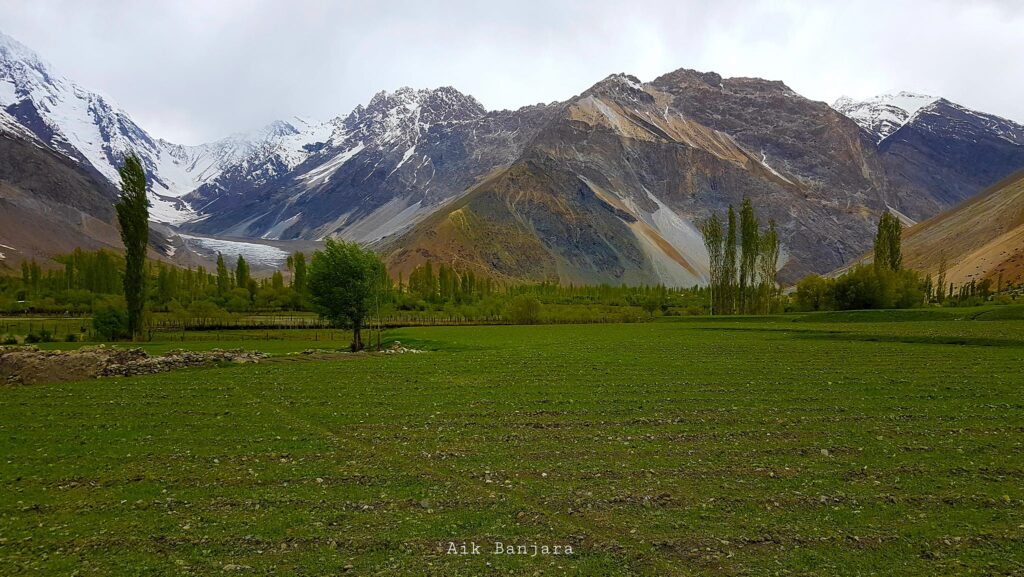

Gilgit-Baltistan is renowned in all over the world for its towering mountains, picturesque valleys, crystal-clear lakes, cascading waterfalls, and a peaceful, hospitable local population. If you have a passion for natural scenery and adventure, this region is an ideal travel destination. However, avoiding some common travel mistakes is essential to making your journey memorable, enjoyable and safe.
- The confluence of three of the world’s greatest mountain ranges: the Karakoram, the Himalayas, and the Hindu Kush.
- Five of the world’s peaks exceeding 8,000 meters in height—including K2, the second-highest peak on Earth.
- Some of the world’s largest glaciers outside the polar regions, such as the Siachin, Biafo, and Baltoro.
- Protected wildlife habitats, including Deosai National Park and Khunjerab National Park.
- Azure-blue lakes: Attabad, Shangrila, Sheosar, Rama, Khalti, Khaltar, Naltar, Qurumbar, and Shandur.
- Enchanting locations: Fairy Meadows, Naltar, Minimarg, Shandur, Haramush, Darkut, Asumbar, and many more.
- Beautiful valleys: Hunza, Nagar, Skardu, Astore, Yasin, Phander, Ishkomen, and Chitral.
- Historical sites: Forts and landmarks in Baltit, Shigar, Kharpocho, Gahkuch, Gupis, Mastuj, and Chitral.
- Archaeological treasures: Ancient rock carvings, stupas, and stone structures, dating back to pre-history.
- Above all, the historic Karakoram Highway, which winds its way through these stunning valleys and rugged cliffs, running alongside the Indus River.
- And, should you choose to travel to Gilgit or Skardu by air, the breathtaking views of these towering peaks during the flight.
Also read: Travel to Gilgit-Baltistan; What You Need to Know before You Go
These are some of the significant and unique features of Gilgit-Baltistan that captivate tourists; this journey could well become the most memorable trip of your life—provided, of course, that no mistakes, intentional or otherwise, are made.
Don’t let these travel mistakes ruin your Gilgit-Baltistan adventure.
Never Let Geographic Distance Become A Travel Mistake
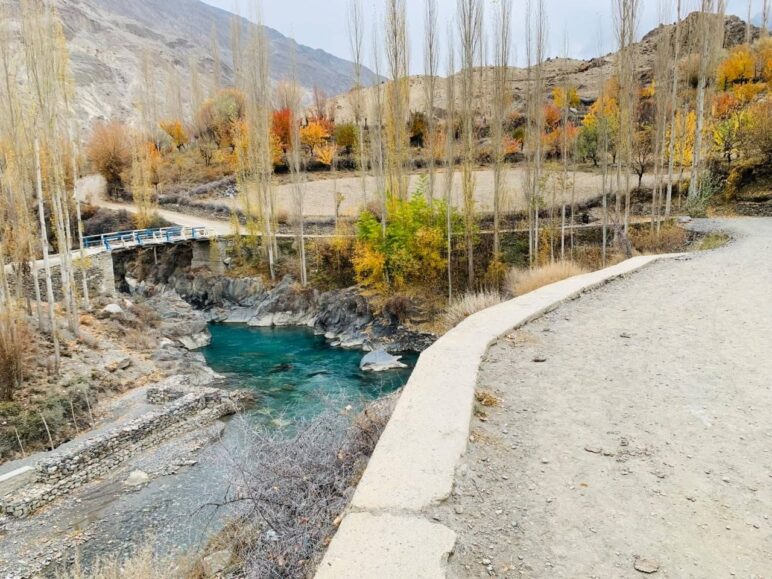
I have met many people describing their travel experiences not being as per expectations. The reason is – planning seven day itineraries to touch every tourist destination across Gilgit-Baltistan.
That’s the first travel mistake. Gilgit-Baltistan is not a destination, it’s a region spanning well over 28000 square kilometers, with 10 districts – each having its own unique features.
If your 7 day itinerary include the visit to Deosai Platitude, Fairy Meadows, Baltit Fort, Shandur and Darkut, you’ll sure gravely miss it. Even Deosai falls in the limits of Skardu but altitude adjustment is essential as the weather is not the same. Additionally condition of road and weather, as well as government administrative issues may also hinder – meaning that preparing yourself to adjust to a quite different weather, getting there, and back, all take more than three days.
Your next destination need almost the same schedule avoiding such travel mistakes.
Don’t Ignore Local Registration and Permit Requirements
While most travelers plan and make all necessary arrangements before starting their journey, some prefer ‘let’s see’ approach, which may lead to lead to difficulties along the way. That’s one of the grave travel mistakes.
Before heading into remote parts of Gilgit-Baltistan, travelers must register with local authorities. This simple step helps not only ensuring uninterrupted immigrations, border entries and travel but also faster emergency response and rescue coordination if something goes wrong.
It is also important to demonstrate respect for local regulations and responsible tourism practices.
Avoid Driving on Mountain Roads at Night
Gilgit-Baltistan’s narrow, winding mountain roads are demanding even in daylight — and considerably more dangerous after dark. Poor lighting, limited signage, sharp turns, and the risk of landslides make nighttime driving especially hazardous for first-time visitors. Travelers must avoid this grave travel mistake. Travel is safest when planned during daylight hours.
Avoid Camping Near Rivers During Monsoon
Monsoon rains and glacial runoff can cause streams and rivers to rise suddenly, turning a calm campsite into a flash-flood zone with little warning. Campers should choose elevated, dry ground and stay updated on weather conditions before pitching a tent near any water source.
Be Careful When Cooking in Open Campsites
Open-flame cooking carries wildfire risk, can attract wildlife, and may be culturally inappropriate in certain areas. Hiring a local food vendor is the safer — and more supportive — choice, offering authentic meals prepared by people who know the terrain and ingredients best.
Never Leave Litter Behind
This is one of the most debated travel mistakes. Littering damages the region’s pristine landscapes and shows disregard for local communities and wildlife. Travelers should carry trash bags, pack out everything they bring in, and follow Leave No Trace principles to help preserve the area for future visitors.
Respect Local Fruit Trees and Private Property
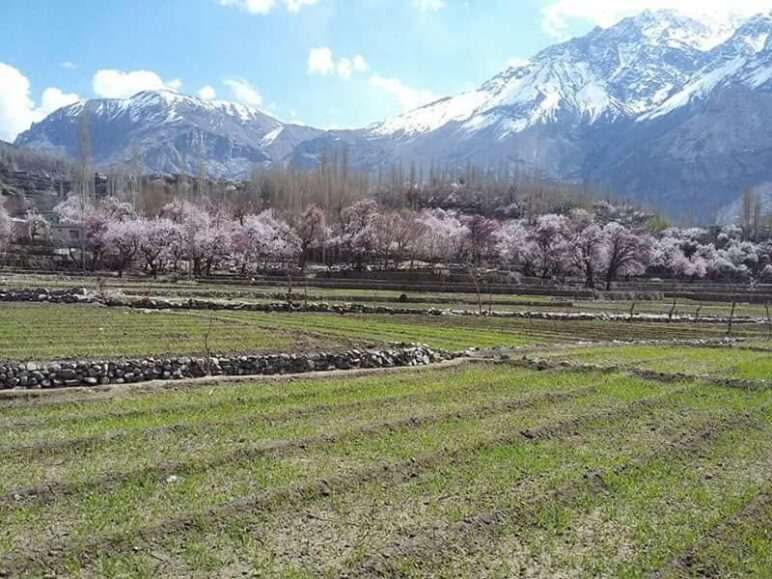
Fruit trees across the region are often privately owned and serve as a source of income for local families. The take care of them for years to let it grow and benefit them. Rather than picking fruit directly from trees, travelers should ask permission or buy produce from local markets — a small gesture that supports the community and protects the environment.
Be Mindful When Giving Money to Children
Historically Gilgit-Baltistan in known for having virtually no beggars due to strong community support system. But recent surveys and local media reports indicate sharp rise in street and child begging.
There may be several reasons behind this trend, one of which could be irresponsible travel behavior.
It is often observed that tourists give cash and food items to children they encounter along the way – one of the grave travel mistakes. While they may do so out of kindness and the personal satisfaction of seeing children happy, they often fail to realise that such gestures can unintentionally encourage begging and reinforce the practice among children. Such travel mistakes also disrupts community dynamics. A more sustainable way to help is by supporting reputable local organizations working on education and community development.
Don’t Underestimate Mountain Weather
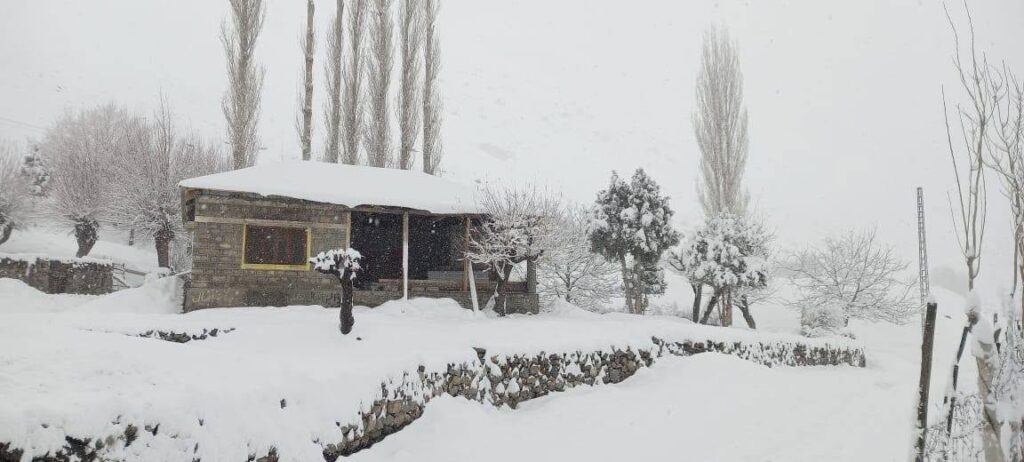
Weather in Gilgit-Baltistan can shift dramatically, even in summer, with sudden temperature drops, strong winds, and heavy rain. Travelers should pack proper layers, waterproof gear, and warm clothing to stay safe and comfortable through changing conditions. ‘Let’s see’ approach in this scenario would be one of another travel mistakes.
Don’t Rely Entirely on ATMs
Relying on online payments to cover travel expenses in Gilgit-Baltistan can be one of another major travel mistakes. In remote villages, banking facilities and networks are extremely limited. Even in urban areas, internet connectivity is often disrupted due to limited network coverage and an unreliable electricity transmission system.
Gilgit, Gahkuch, Skardu and a few other major towns have access to more than one mobile network. However, in remote areas, travellers may have to rely on a single provider: SCOM. Although the network advertises 4G services, the ground reality is quite different. Even a simple Google search can sometimes take several minutes to load, making the use of online payment apps extremely difficult.
Therefore, it is advisable to carry enough cash to cover the journey to your destination and the return trip. There is little reason to be overly concerned about carrying cash out of fear of robbery. Gilgit-Baltistan continues to have an exceptionally low incidence of street robbery. In fact, if you accidentally leave your wallet behind somewhere, there is even a good chance that you may get it back!
Respect Local Customs and Traditions
Gilgit-Baltistan’s cultural traditions shape daily life, from dress codes to behavior at religious sites. Ignoring these customs can unintentionally offend residents and diminish the travel experience. Taking time to understand and respect local etiquette leads to more meaningful, positive interactions with the communities travelers visit.
The Takeaway
A trip to Gilgit-Baltistan offers some of Pakistan’s most spectacular scenery, but preparation and cultural awareness are key to enjoying it safely and responsibly. Avoiding these common travel mistakes helps ensure a smoother journey — and a more respectful one for the communities that call this mountainous region home.
Photo courtesy: yak sarai darkut