
With Legislative Assembly elections in Azad Kashmir just two weeks away, campaign activity remains unusually subdued as the regional government seeks additional security personnel from the federal government to manage a planned long march by the banned Jammu Kashmir Joint Awami Action Committee.
According to the Election Commission, 852 candidates will contest the July 27 elections across 45 constituencies, with symbols allotted to candidates from 24 registered political parties as well as independents. Around 2.35 million voters are registered to take part.
Reserved Seats at the Center of Controversy
Of the 45 assembly seats, 33 are general constituencies directly elected within Azad Kashmir, while the remaining 12 are reserved for refugees from Indian-administered Kashmir — six for those from the Kashmir Valley and six from Jammu, with eight of the twelve located in Punjab.
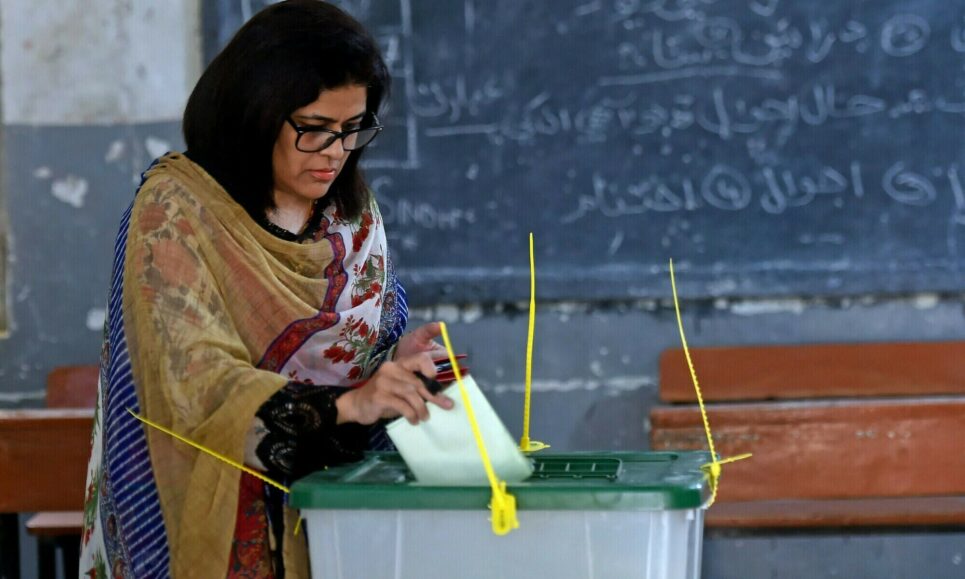 The now-banned Awami Action Committee opposes this reserved-seat system and has made its abolition a central demand. The issue has gained considerable public traction in Azad Kashmir, which, as a disputed territory, has no representation in Pakistan’s national parliament.
In support of its demand, the committee had announced a long march from Rawalakot to Muzaffarabad on July 15, but the march was postponed after Maulana Fazlur Rehman requested protesters hold off on further action for now.
Security Situation and Casualties
The protest movement traces back to a long march launched from Bhimber on June 9, which authorities blocked from advancing beyond Rawalakot. Since then, protesters have staged an ongoing sit-in at Darik Eidgah on the outskirts of Rawalakot, disrupting business activity and public transportation across several towns.
Authorities have confirmed at least 18 deaths, including four police officers, during weeks of protests and the government crackdown. Rawalakot, which contains five of the assembly’s constituencies, is considered the most sensitive area in the run-up to the vote. Poonch Division Commissioner Sardar Waheed Khan said campaigning in these five constituencies has been severely curtailed by the deteriorating security situation, in sharp contrast to more active campaigning in Bagh and Haveli.
To help manage the situation, the Azad Kashmir government has requested 4,000 Federal Constabulary personnel and seven wings of the Pakistan Rangers from Islamabad.
Subdued Campaigns Across the Board
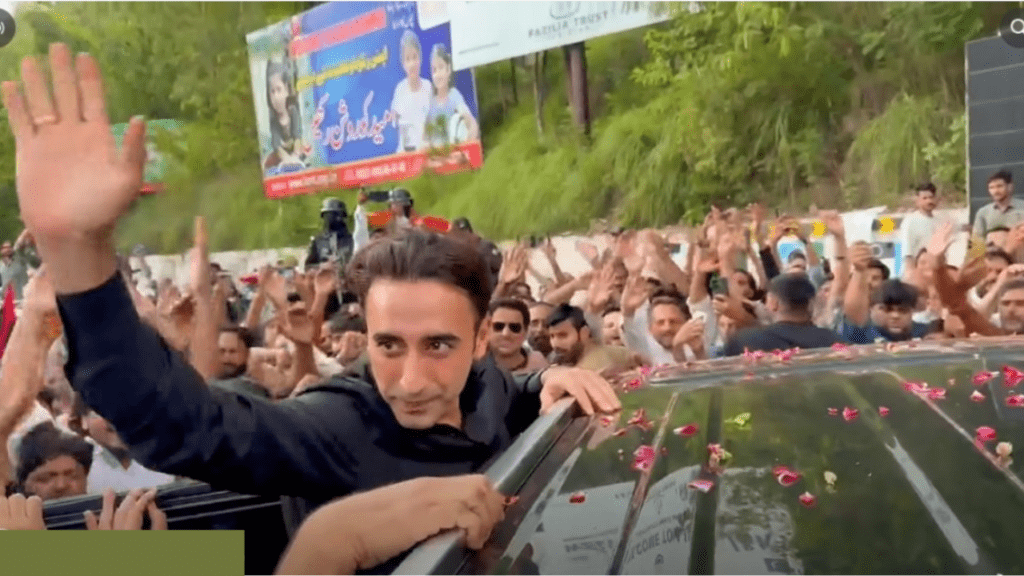
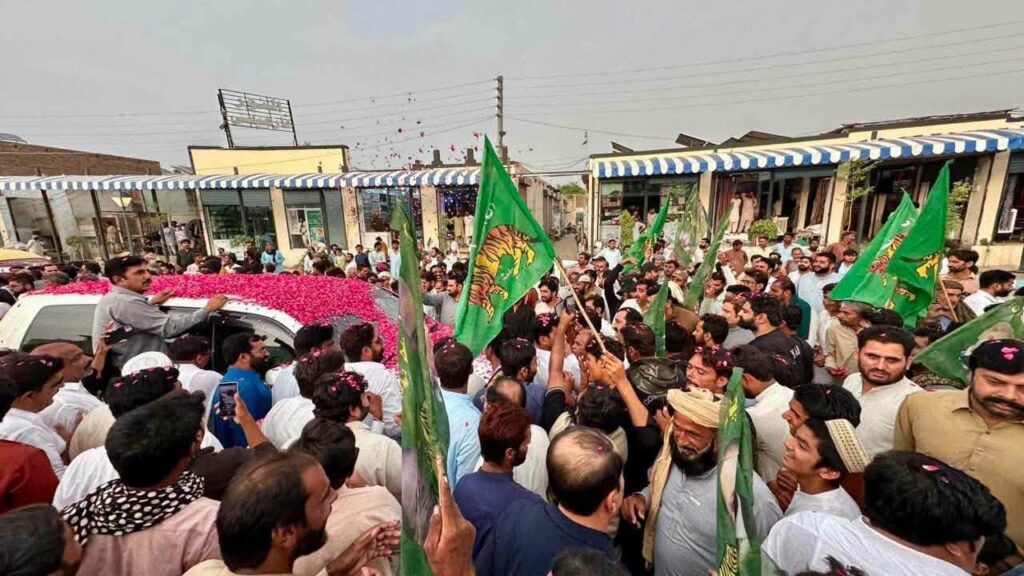
Major parties — including the Pakistan Muslim League-Nawaz (PML-N) and the Pakistan Peoples Party (PPP) — have formally launched their campaigns, but large-scale rallies remain absent. PPP Chairman [[bilawal-bhutto-zardari]] was the first major leader to visit Azad Kashmir, though even his party has held no major public gatherings. Most candidates are instead running low-profile, door-to-door campaigns, gathering small groups at private homes rather than holding public meetings.
Pakistan Tehreek-e-Insaf (PTI), the country’s largest opposition party, has announced an election boycott, citing the suspension of its registration by the Election Commission of Pakistan-administered Kashmir. PTI leaders say the boycott is chiefly a gesture of solidarity with Kashmiri demands, effectively aligning the party with the banned Awami Action Committee’s position.
Istehkam-e-Pakistan Party (IPP) President and Federal Minister for Communications Aleem Khan has meanwhile predicted his party will secure a two-thirds majority. Notably, none of the 15 IPP candidates who contested the Gilgit-Baltistan elections won a seat outright — the party only gained assembly representation after several successful independents later joined its ranks, a route PTI was denied on similar grounds.
Analysts Weigh In
Journalist and political analyst Hamid Mir said the Awami Action Committee’s position has become popular enough in Azad Kashmir that attempts to suppress it through force have largely failed, with parties distancing themselves from the committee’s stance struggling to find public support. He noted that voters appear largely indifferent to party manifestos this election cycle.
Mir also said the PPP-led Azad Kashmir government had reportedly sought to delay the elections given the law-and-order situation, but the PML-N-led federal government insisted on holding the vote as scheduled, calculating that prevailing conditions would work in its favor. According to Mir, PML-N candidates have not seen strong public backing and some have faced violence, with Muslim Conference candidates reportedly encountering similar difficulties. He concluded that when public interest in an election is this low, its credibility inevitably comes into question.
A Look Back
Azad Kashmir’s first elections were held in 1975 under its Interim Constitution, bringing the PPP to power; no elections followed for the next decade. Since then, the Muslim Conference has governed the region longest, followed by the PPP, PML-N, and PTI.